Wall Street’s major indexes closed out the second quarter of 2026 with their strongest quarterly gains in years, underscoring the resilience of equities despite geopolitical challenges and inflation concerns. The first half of 2026 was really the tale of two quarters. The first quarter was a tough one for U.S. investors, marred by the start of a war with Iran and a rolling panic triggered by fears that accelerating disruptions from artificial intelligence could harm the business models of many software and professional-services firms. However, the second quarter of the year delivered strongly – the S&P 500 posted a 9.6% YTD gain through June 30, 2026, with a 14.9% rise during the second quarter. The DJIA posted its best first six month gain in a year since the first half of 2021, when the pandemic stock rally took off.
Small-cap U.S. stocks are capping off one of their strongest first halves in decades. But this is not your ordinary small-cap boom led by traditional businesses linked to the economic cycle. This run, like the one going on with their larger-cap peers, has been driven by the rapid build-out of artificial intelligence infrastructure, as spending spreads beyond the largest technology companies to a broader network of suppliers. Investors currently believe the small-stock rally can stretch beyond tech and continue, as long as interest rates stay in check. The Russell 2000 Index has surged by almost 22% this year, putting the benchmark on track for its best first-half performance since 1991. Semiconductor and semiconductor equipment companies have been the biggest winners, underscoring how the AI investment boom is rippling through the broader market
In May 2026, U.S. inflation spiked to a three-year high, with the Personal Consumption Expenditures (“PCE”) index rising at a 4.1% annual rate and the Consumer Price Index (“CPI”) hitting 4.2%. Consequently, the Federal Reserve held interest rates steady, with some officials warning that rate hikes may be necessary to tame stubbornly high prices. A hike is fully priced in by October, and there’s a rising implied volatility that one could come in September. The most recent Fed statement made it clear that the committee is focused on its inflation mandate over its labor market mandate, given recent strength in the labor market. Fed Chairman Kevin Warsh repeatedly stated that the committee was “unambiguous and unanimous” in its commitment to bringing inflation down.
Energy analysts say they have been surprised by the pace of the sell-off in the oil market, noting that it has been far more aggressive than most had expected. Oil prices recorded their steepest quarterly decline since the early days of the COVID-19 pandemic, as investors watched for potential U.S.-Iran talks in Doha amid a strained interim ceasefire in the 4-month-old war.
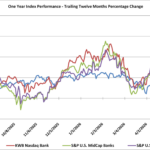
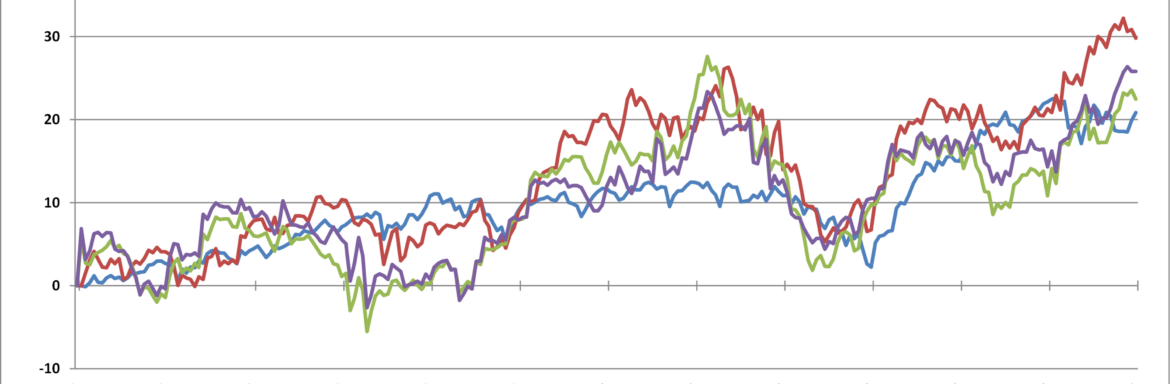
Bank stocks, much like the rest of the market, were volatile at times, but moved higher during the second quarter and are up for the year-to-date period. The KBW Nasdaq Bank Index posted a 17.6% rise during the second quarter of 2026 (up by 7.0% during the month of June) compared with a decline of 6.0% in the first quarter of 2026. This index was up by 126% over the past three-year period. By comparison, smaller banks posted slightly lower returns during the second quarter of 2026, with the S&P U.S. SmallCap Bank index increasing by 15.3% in the quarter (up by 8.0% during the last month of the quarter) with the index being up by 25.8% during the past year while posting a three-year rise of 77.7%. The S&P U.S. MidCap Bank index increased by 14.7% during the second quarter of 2026 (up by about 8.5% in June) compared to the decrease of 4.1% during the first quarter of 2026 leaving it up by 24.0% over the past year, and up by 90.8% over the past three years. By comparison, the S&P 500 was up by 14.9% during the second quarter of 2026 leaving it up by 20.9% during the past year. The S&P 500 was up by approximately 68.5% during the past three-year period compared to the 126% increase for the KBW Nasdaq Bank Index and the 90.1% increase in the technology heavy Nasdaq. The Nasdaq increased by 21.4% during the second quarter of 2026 and was up by 28.7% over the past year.